
Key takeaways
- Wood fence installation usually costs between $15 and $45 per foot, depending on the material, design, yard conditions, and location.
- Extra costs, like removing an old fence, getting permits, sealing the wood, and adding gates can quickly raise your total if they’re not budgeted upfront.
- Doing it yourself can save money, but takes time, tools, and precision. One mistake can end up costing more than hiring a professional.
A wood fence is a popular choice for privacy, marking property lines, and making your yard look better.
If you’re wondering how much for wood fence installation, the answer depends on a few key factors, and getting an accurate quote can be tricky because a lot of things affect the final price.
The total cost depends on several things: the type of wood you’ll use, the fence’s height and length, labor rates in your area, and any additional features like gates or decorative elements.
Most people pay between $15 and $45 per linear foot to get a wood fence installed by a professional. That estimate includes both the cost of materials and labor.
Here’s how that pricing plays out with real lengths.
A 100-foot fence might run you anywhere from $1,500 to $4,500. Stretch that to 150 feet, and you’re looking at $2,250 to $6,750. Go for 200 feet, and the cost ranges between $3,000 and $9,000.
Remember, fences are priced by the linear foot, not the square foot, so double-check your numbers before you get too far into planning.
Better yet, let’s break down the factors that affect wood fence installation costs.
This way, you can plan your project and budget effectively.
How much for wood fence installation? These factors affect the final bill
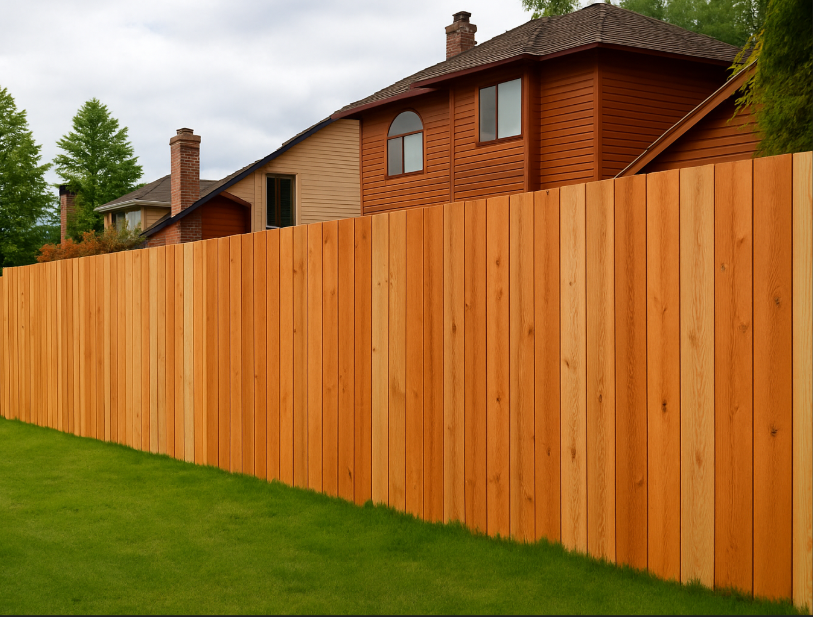
The cost of wood fence installation depends on several factors. The type of wood, project size, yard shape, and fence style all play a role in the final price. Below, we break down each factor to help you get a clearer picture of what you’ll pay.
Factor #1: Wood type
The type of wood you choose plays a big role in what you’ll spend.
- Pine is the most budget-friendly and easy to find
- Cedar costs more, but it naturally resists rot and bugs, so it tends to last longer with less upkeep
- Redwood is the premium option, which is great to look at and long-lasting but often much pricier and harder to source depending on where you live.
- White oak is another option that is strong and rot-resistant, but it’s heavy and more difficult to install, which adds to labor time and cost.
Factor #2: Fence style
Fence style also affects how much you’ll pay. A basic picket fence is fast to build and requires fewer materials.
Privacy fence installation needs more boards, tighter spacing, and sturdier posts, which means more labor.
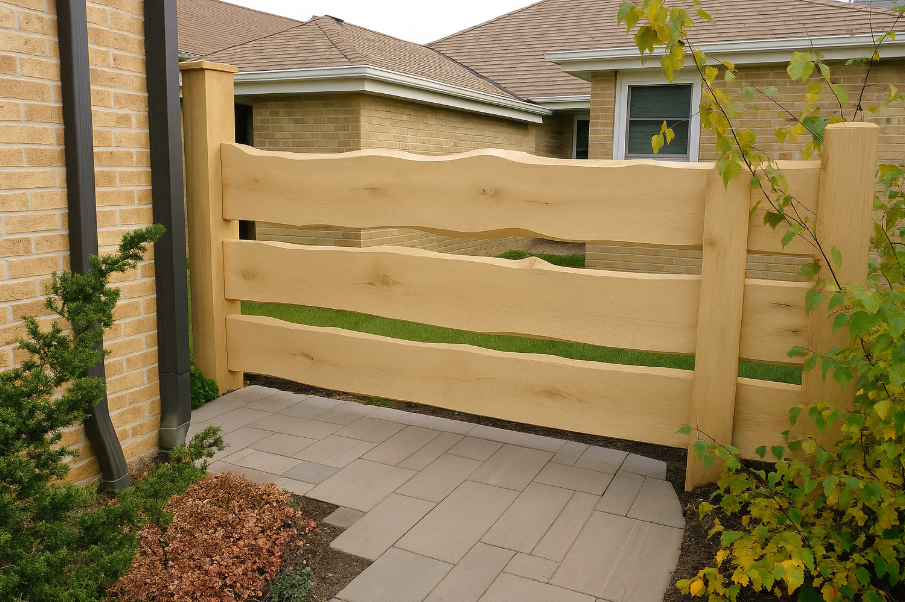
Ranch-style fences are often used on large properties. They’re simple, built with horizontal rails, and easier to install.
Then there’s the shadowbox design, visually appealing from both sides, but more complex and time-consuming to put together.
Yard access can add or reduce costs depending on how easy it is for workers to bring in materials and tools. If your yard is wide open and easy to reach, installation moves faster.
But narrow side gates, no rear alley, or obstructions like decks, ponds, or garden beds slow things down. In those cases, crews may need to carry supplies by hand or take extra steps to work around tight spots.
If you want to avoid extra charges, clear a path ahead of time. Removing barriers makes the job easier for everyone and can help keep labor costs from creeping up, especially when working with a Lafayette fence company.
Factor #3: Project size and yard shape
The size of your fence project directly affects how much you’ll pay overall.
Most people use a rough estimate of about $25 per linear foot when budgeting, which means a 100-foot fence might cost around $2,500.
For 200 feet, that bumps up to $5,000. If you’re covering more space, say 300 feet, expect to spend about $7,500.
That estimate includes both labor and materials, based on mid-range pricing.
Some fencing companies may offer a price break for larger jobs, but not all do. It depends on the installer, their schedule, and the complexity of the work.
A few dollars off per foot might not seem like much at first, but it adds up quickly over long runs.
If you want more accurate estimates early on, it helps to come prepared.
Having a rough layout or sketch on hand makes the conversation go smoother, especially if you mark where the gates will go.
You can use online tools like the Calculators for Home to get a quick estimate based on your measurements.
The shape of your yard also changes what you’ll pay.
Flat, open ground is the easiest to work with. If your yard has a slope, curves, or uneven areas, it will take more time and effort to install the posts and boards.
Digging into rocky soil or working around tree roots also slows things down and can push labor costs higher.
The World Economic Forum says that things like a shortage of construction workers and tough terrain are pushing project costs higher.
So before you ask for quotes, take photos of your yard and point out any tricky spots. Send those with your measurements to give installers a clearer idea of what they’re working with.
Factor #4: Regional labor rates
Where you live plays a big role in how much fence installation will cost.
In rural areas, you might pay between $15 and $25 per linear foot.
In suburban neighborhoods, that range usually climbs to $25–$35 per foot.
If you’re in a major city, costs often start at $35 and can go well over $50 per foot.
There’s a reason for the jump in price. City contractors deal with more red tape, like permits, higher insurance requirements, and wage regulations. All of that adds to your final quote.
Peak season pricing is something to keep in mind. In spring and summer, demand is higher, and that means longer waits and fewer discounts. This can drive prices up.
For a more accurate estimate, have your measurements ready and be clear about your yard’s layout and any challenges. The more details you give, the more precise the quote will be. You can also contact a fencing company for a free estimate to get a fair price based on your yard.
Factor #5: Professional fees
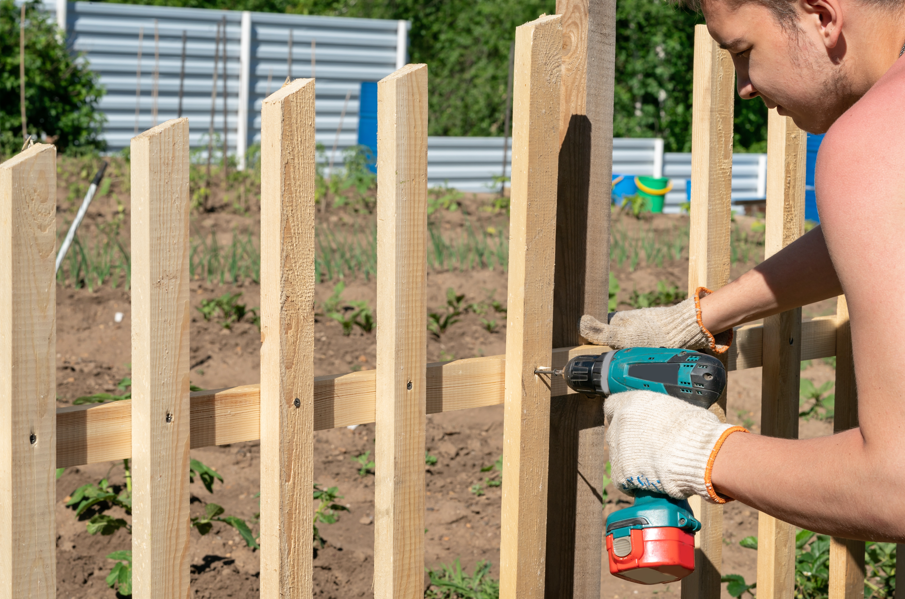
Building a wood fence yourself can save money, but it’s not without tradeoffs.
Materials alone usually cost between $8 and $18 per foot, depending on the type of wood and design. But the costs don’t stop there.
You’ll also probably need to rent tools, buy concrete for the posts, and pick up fasteners like nails or screws. If you don’t already have a level, post-hole digger, or saw, those add up fast.
Then there’s the time.
Even a small, straight fence can eat up an entire weekend. And if you misplace a post or get your spacing off, you might find yourself starting over.
DIY works best for short runs of fence on flat ground. But when the terrain gets tricky or the project gets longer, it starts to make more sense to hire someone.
Bringing in a professional means paying more upfront, but it also means getting the job done faster and usually better. It’s especially worth it if you’re dealing with sloped yards, hard-packed soil, or tight local building codes.
A pro already knows how to handle those problems without adding delays or extra trips to the hardware store, especially if they’re experienced with fencing in Lafayette Indiana.
Factor #6: Other hidden costs
There are a few things people forget to budget for when planning a fence.
One is removing an old fence. If you’ve got one in place already, you could be looking at an extra $1 to $5 per foot for teardown and disposal.
Permits are another factor, but it depends on where you live.
In Lafayette, Indiana, fences generally do not require permits, but they do need to comply with city code regarding height and location.
Specifically, in residential areas, fences on street frontage should not exceed 42 inches in height, and they cannot be located within drainage or utility easements.
Staining and sealing also get left out of early estimates. That’s usually another $0.50 to $1 per square foot, and it’s not a one-time cost. You’ll need to redo it every few years to keep the wood in good shape.
Then there are gates. A standard walk-through gate can start at around $150.
If you want a double-wide gate or upgraded hardware, expect to pay $350 or more.
That’s why it’s important to always ask what’s included in your quote. Don’t assume something like gates or sealing comes standard, because it often doesn’t.
Factor #7: Project timeline
Installing a fence doesn’t happen overnight. Even smaller projects can run into delays.
Permits can hold things up, especially if your local office is backlogged.
Bad weather is another common issue, like rain, snow, or frozen ground can stop work altogether.
Material shortages are also still a factor in some areas, and that can push your timeline back if certain wood types aren’t available.
And of course, contractors often book up fast in the spring and summer. Those are the peak months when everyone wants outdoor work done.
If you’re planning to get a fence installed in warmer weather, don’t wait too long. Get on the schedule early and leave a little room for things to shift.
This is especially true for larger or more specialized jobs like agricultural fence installation, where longer spans and custom layouts can stretch the timeline even further.
Plus, fence care isn’t once and done
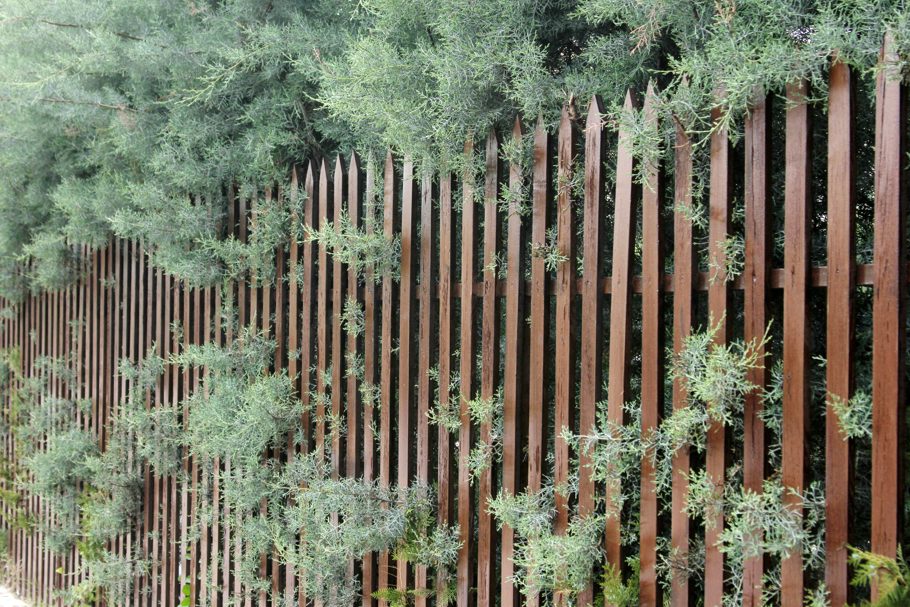
Wood fences look great, but they need attention if you want them to last. Every two to three years, plan to reseal or restain the wood. That’ll cost you about $0.50 to $1 per square foot each time.
It’s also smart to check your fence after storms or once winter clears. Look for leaning posts, split boards, or signs of insect damage. Catching those early means less repair work later.
With regular upkeep, a wood fence can last 10 to 15 years… sometimes longer. But skipping maintenance shortens that lifespan fast, so it’s worth staying on top of it.
A little planning now saves a whole lot of hassle later
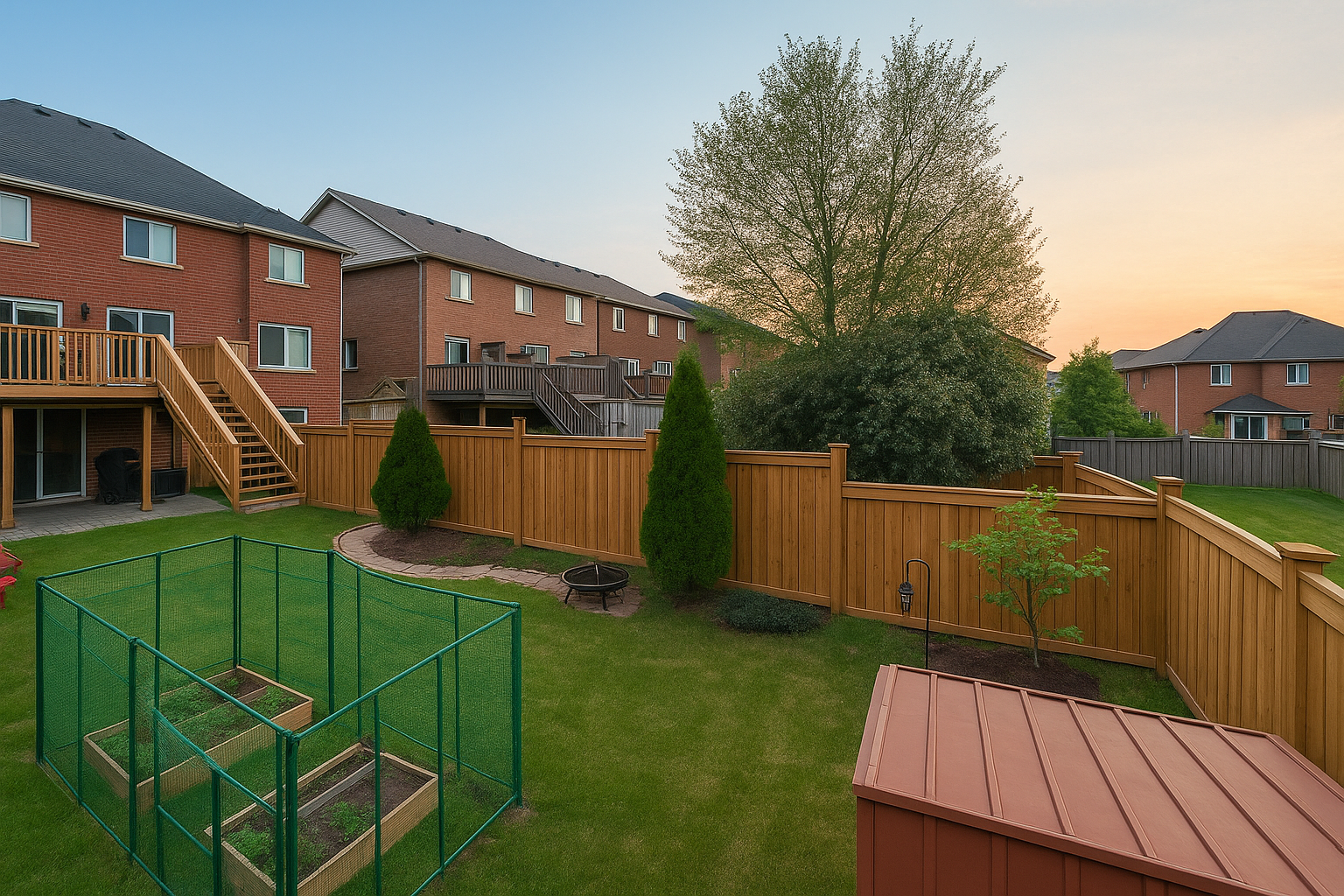
Before you commit to a wood fence project, there are a few things worth locking in. Start by measuring your fence line twice.
Accurate measurements are the base of a solid plan. From there, decide whether you’re handling the job yourself or hiring a contractor. That decision will change how much time and cash you’ll need to set aside.
Choose a wood type and fence style that match your budget and how much upkeep you’re willing to handle.Don’t forget to factor in the extras such as gates, sealing or staining, and any costs to remove an old fence. They’re easy to overlook but almost always necessary.
It’s smart to gather a few estimates and compare what’s actually included in each one. Some contractors may leave out things like gate installation or post-concrete in their base price.
If you’re unsure where to start, finding someone who specializes in wood fence installation near you can give you a better sense of what’s standard in your area.
Finally, set aside an extra 10 to 15% of your budget for unexpected costs. That could be extra lumber, a permit hiccup, or a last-minute design change. A little prep now saves a lot of stress later.