
Key takeaways
- You can figure out how to fix a leaning fence without replacing posts by securing temporary supports, pushing it back into position, and reinforcing weak spots.
- Adding braces, tightening loose connections, and packing gravel or dry concrete around posts keep the fence stable long-term.
- Regular maintenance like checking screws, trimming vegetation, and sealing wood help prevent future leaning issues.
A leaning fence is frustrating. It looks bad, it’s a safety hazard, and if you leave it too long, it’ll only get worse. But here’s the good news — you don’t need to replace the whole thing.
With a few tools and some simple steps, you can straighten your fence without ripping out posts or spending a fortune.
This guide will walk you through exactly how to fix it fast, so you don’t waste time or money on unnecessary work.
5 simple steps for a sturdy, long-lasting fix
Step #1 — Figure out why your fence is leaning
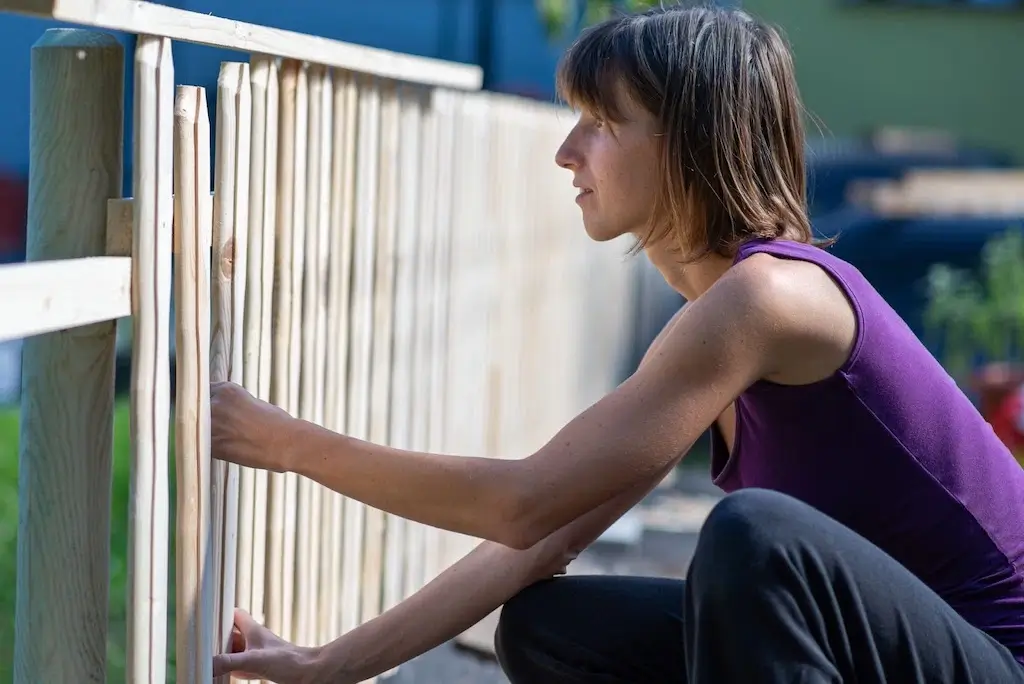
Before you start fixing anything, figure out what’s causing the problem. Otherwise, you’re just guessing — and that means wasted effort.
Fences lean when the soil around the base is loose — this makes it hard for the posts to stay upright. Soil stability and erosion play a big role in this.
If the ground shifts too much, even a solid post will start to tilt.
Weak or broken connections between posts also cause instability.
Wind and shifting ground add to the problem, pushing the fence off balance.
Tree roots can also make things worse by growing against the posts and forcing them out of place.
Start by inspecting the posts. Push against them to see if they wiggle. If the wood is solid but the post moves, the issue is likely with the soil.
If the post itself is rotting or breaking apart, that’s a bigger problem.
Next, check where panels connect to posts. Look for loose screws, nails, or cracked rails.
Sometimes, a leaning fence isn’t about the posts at all — it’s just weak attachments between sections.
Walk along both sides of the fence and push gently on different spots.
This helps you find the weakest areas that need extra support before you start straightening things up.
Step #2 — Secure temporary supports before adjusting anything

Before you start moving the fence back into place, stop it from tilting further.
If you skip this step, the whole thing could collapse while you’re working on it.
Here’s how to add temporary supports:
- Hammer wooden stakes or metal T-posts into the ground next to the leaning section.
- Position them about one to two feet away for better stability.
- Use rope, bungee cords, or clamps to pull the fence tight against the stakes.
This keeps everything steady while you work, preventing unexpected shifts that could make things worse.
If you’re dealing with a longer section of fence, space out multiple supports every few feet for extra security.
Step # 3 — Push the posts back into position
Now comes the actual straightening part.
If your fence is only slightly leaning, you might be able to push it back into place with manual force.
But don’t just shove anywhere — there’s a right way to do this.
Get someone to help — it makes the job easier. One person should stabilize the fence while the other pushes.
Press against the horizontal rails, not the boards, so nothing snaps.
If the post won’t budge, loosen the soil around its base with a shovel, but don’t overdo it, or you’ll weaken the area even more.
Once the post starts moving back into place, hold it there for a moment to let the soil settle. If it keeps tipping back, you’ll need to reinforce it. That’s what the next step is for.
Step #4 — Reinforce wobbly posts so they stay put
Straightening a fence is one thing. Keeping it upright is another. If you don’t reinforce the posts properly, they’ll lean again before long.
Here’s how to stabilise them:
- Nail wooden braces diagonally between strong sections for extra support.
- Install metal brackets where rails meet posts to tighten any loose joints.
- Pour dry concrete mix around the base of wobbly posts — rain will naturally harden it over time.
If the soil is too soft, concrete alone might not be enough. Try these fixes:
- Pack gravel tightly around the base to create a firmer foundation.
- Drive long stakes into the ground next to the post and attach them with screws for added strength.
These reinforcements stop the fence from leaning again anytime soon.
The goal is to make sure the post stays firmly in place no matter what weather or ground movement comes its way.
Step #5 — Reattach panels and secure everything properly
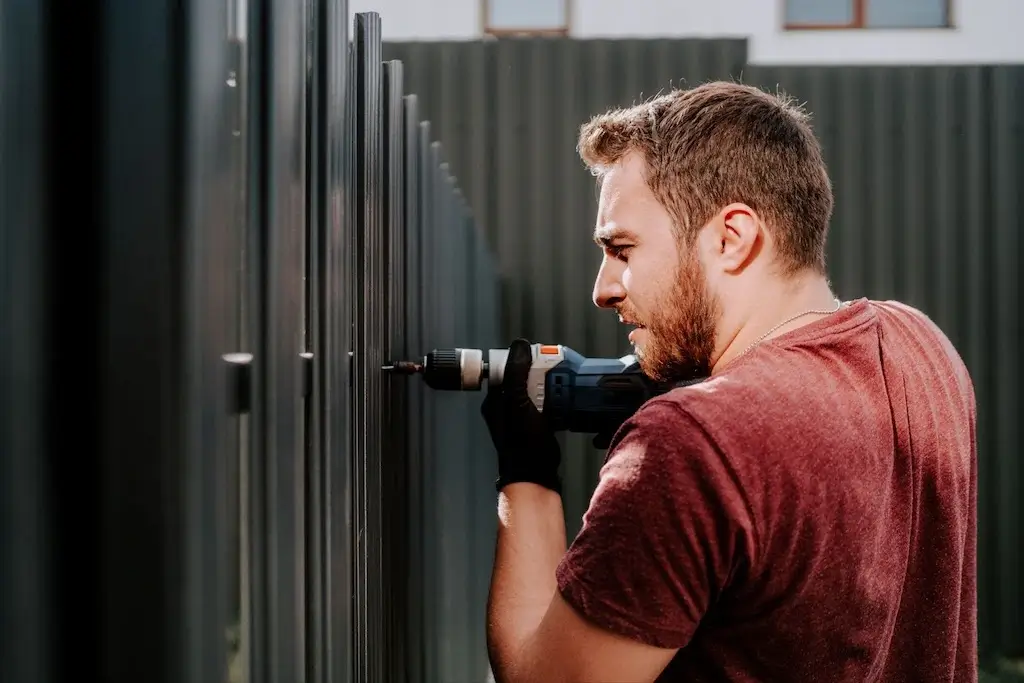
Now that the structure is solid, go over all the connections. Even if the fence looks straight, weak attachments can cause new issues later.
Here’s what to check:
- Replace any missing or loose screws and nails holding boards together.
- Tighten connectors where railings meet vertical slats using a drill.
- Apply weatherproof sealant along joints to protect against moisture damage.
A properly secured fence doesn’t just look better — it lasts longer too. Taking an extra few minutes to reinforce everything now saves you from having to redo repairs in a few months.
Extra tips to keep your fence standing strong longer
Fixing a fence once is great, but preventing future problems is even better. Regular maintenance takes minutes and stops small issues from turning into big ones.
- Check screws, nails, and brackets every few months and tighten anything loose.
- Keep grass and weeds trimmed near the base — moisture buildup leads to rot.
- If you live in a windy area, plant shrubs or install windbreakers nearby to reduce strain on the fence.
The more proactive you are, the less likely you’ll have to deal with a leaning fence again. A little effort now saves a lot of hassle later.
Keep your fence straight and strong for years to come
A leaning fence doesn’t mean you need a brand-new one. With the right approach, you can straighten it quickly without replacing posts or spending a fortune.
Figure out what’s causing the lean, secure temporary supports, push it back into position, reinforce the posts, and tighten everything up.
Follow these steps, and your fence will be standing strong again in no time.But if this sounds like more work than you want to take on, we’re always here to help. Sometimes, it’s easier to let the pros handle it — and that’s what we do best.