
Key takeaways
- You can replace part of a fence without rebuilding the whole thing. Many common issues, like warped wood, broken vinyl panels, or torn chain link mesh, can be fixed by replacing only the damaged section, as long as the rest of the fence is stable.
- Some fence materials are easier to repair than others. Wood, vinyl, and chain link are usually simple enough to fix, even if you’re new to it. But stuff like wrought iron or fancy privacy panels can be trickier and you might need the help of professionals.
- If your fence is falling apart in a bunch of spots or it’s just getting too old, fixing each section one by one doesn’t always make sense. Sometimes, replacing the whole thing ends up saving you time, effort, and even money.
Not every fence problem means you need to start from scratch. Sometimes, it’s just one worn panel, a cracked board, or a section that’s taken a hit from strong winds.
The rest of the fence may still be in great condition, standing tall and doing its job.
In many cases, you can replace part of a fence without touching the rest.
Wood, vinyl, chain link… it doesn’t matter. If the damage’s in one spot, a quick fix is usually faster, cheaper, and easier than you’d think.
This guide covers which fences (and which parts) are easiest to fix, what issues you can handle with a quick section swap, and how to do it right.
You’ll also learn when a repair is enough, and when it might be smarter to start fresh with a full replacement.
Common fence problems you can fix by replacing a panel or two
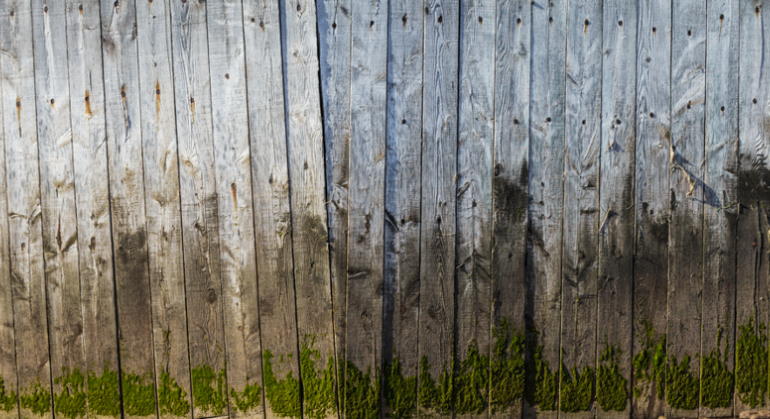
Some fence issues might look serious at first glance, but many are easier to fix than you’d think.
Problems like fence post rotting, warped wooden panels, wind damage, or a leaning post are all pretty common and easier to fix than most people think.
You might also spot cracked or broken vinyl slats, a torn part of a chain link fence, or boards that have come loose over time because ofo age or weather.
These issues may seem like a big deal, but they often only affect one small part of your fence, not the entire structure.
As long as the rest of your fence’s still solid, there’s usually no need for a full rebuild.
Replacing just the damaged part can make your fence look new again without the time and cost of starting from scratch. But you must take care of it as soon as the problem pops up.
Leave one damaged panel alone for too long, and it can start to mess with the sections around it.
It depends on the type of fence, but for most (like wood, vinyl, or chain link) the fix is usually simple and doesn’t take long.
Fence parts that are easy to replace
If it’s just a damaged section or a few loose parts, knowing which parts are easier to replace can save you time and hassle.
Some materials are simpler to work with, even if you’re not big on DIY.
It’s the same idea behind modular construction… swap out just what’s broken, keep the rest, and make the whole process easier.
Parts of a wooden fence and how to replace them
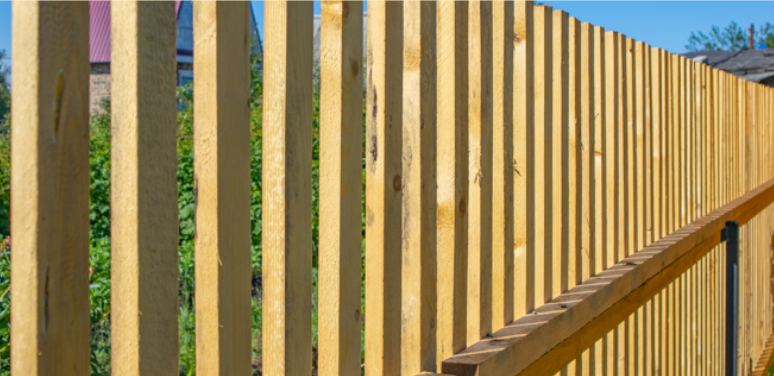
Fixing a wooden fence doesn’t mean you have to start from scratch. Here’s a breakdown of common wooden fence parts and how to replace each one.
- Wooden fence boards (or pickets) are the vertical pieces that make up most of what you see on a wooden fence. You’ll want to replace them if they’re cracked, split, warped, or starting to rot
- Pry off the damaged board with a crowbar or drill out the screws.
- Measure and cut a new board that matches the old one.
- Attach it using galvanized or weather-resistant nails or screws.
- Stain or seal the new board to match the rest of the fence and protect it.
- Wooden fence posts are the vertical supports that keep the whole structure standing. They’re buried in the ground and usually set in concrete. If your fence is leaning or you notice a post rotting at the base, it’s time to replace it.
- Dig out the post, including the concrete base.
- Place a new post in the hole, making sure it’s level.
- Pour fresh concrete and let it set.
- Reattach rails and boards once they are stable.
- Wooden rails are the horizontal support beams that run between the posts and hold up the boards. If they’re loose, split, or starting to sag, replacing them will help keep everything stable.
- Unscrew or pry off the damaged rail.
- Measure and cut a replacement that fits between the posts.
- Attach the new rail using brackets or screws.
- Make sure it’s level so the boards line up properly.
- Wooden caps and trims are optional parts that add a decorative finish to some fences. They can crack, come loose, or fall off over time. If that happens, it’s a simple fix to replace them and keep the fence looking clean and finished.
- Remove any remaining piece of the old cap.
- Use exterior-grade wood glue or screws to attach a new one.
- Seal or paint it to match.
If the damage runs deeper, like multiple leaning posts, widespread rot, or major structural issues, it’s probably worth bringing in professional wood fence repair services. They can handle more complex repairs and make sure the fence stays solid for the long haul.
Parts of a vinyl fence and how to replace them
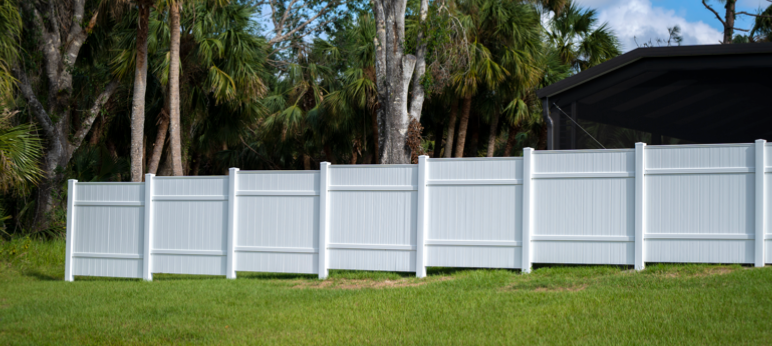
Vinyl fences are built to be easy… easy to clean, easy to maintain, and thankfully, easy to fix. Most parts are made to snap or slide into place, so if something breaks, you usually don’t have to tear anything apart.
- Vinyl panels are the large sections between posts, either solid or picket-style. They’re the most visible part of a vinyl fence. You’ll want to replace them if they’re cracked, warped, dented, or broken.
- Unlock or unscrew the damaged panel from the posts.
- Slide it out carefully so you don’t damage nearby sections.
- Line up the new panel with the existing track or groove.
- Slide or snap it into place according to your fence’s design.
- Secure it using the original hardware or locking system.
- Vinyl rails are the horizontal pieces that connect the posts and hold the panels in place. You’ll need to replace a rail if it’s sagging, split, or no longer holding the panels securely.
- Remove the panels attached to the damaged rail.
- Slide the rail out from the post slots or connectors.
- Measure and cut a replacement if needed, matching the original rail.
- Insert the new rail into the post slots.
- Reattach the panels once everything is secure and level.
- Vinyl posts are the upright supports that hold up the fence. They’re often set in concrete. Replace a post if it’s cracked, leaning, or damaged at the base.
- Detach the panels and rails connected to the damaged post.
- Dig out the old post, including the concrete footing.
- Position the new post and check that it’s level.
- Pour fresh concrete and let it set fully.
- Reconnect the rails and panels once the post is stable.
If things get tricky, like multiple pieces are cracked or the system’s not clicking back together, don’t stress about calling in a vinyl fence repair service. Professionals crews can usually swap out what’s needed without touching the rest.
Parts of a chain link fence and how to replace them
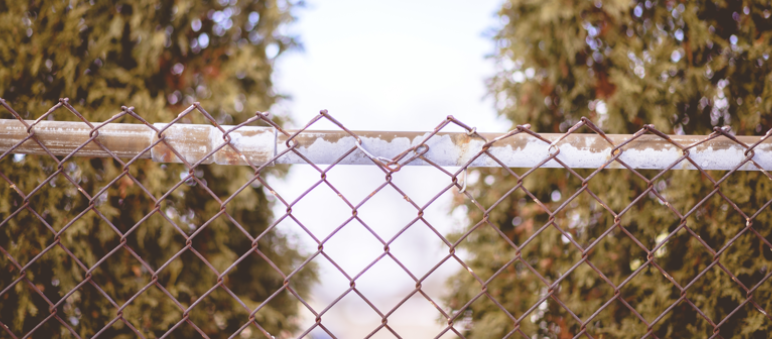
Chain link fences are made from woven metal mesh, which makes them strong but still flexible. Most of the time, you don’t need to replace the whole thing. Just fix the part that’s torn, rusted, or bent and move on.
- Chain link mesh is the woven wire section that makes up the bulk of the fence. It’s tough, but over time it can bend, tear, or rust, especially near high-traffic areas.
- Cut out the damaged section using bolt cutters.
- Remove any wire ties or clamps holding it to the rails and posts.
- Unroll a replacement piece that overlaps the existing mesh by a few inches.
- Stretch it across the opening and slide a tension bar through the edge of the new mesh.
- Fasten it to the posts and top rail using new wire ties or clamps, spaced evenly.
- Top rails run horizontally along the top of the fence and help keep the mesh stable. It can throw off the entire section if one is bent or rusted through..
- Detach the rail from the posts and remove any attached mesh.
- Measure and cut a new rail to match.
- Slide it into place using rail sleeves or connectors.
- Reattach the mesh using wire ties to keep everything tight.
- Fence posts are the vertical supports that hold the structure up. They’re either set in concrete or driven into the ground. A bent or loose post can make a whole section sag.
- Remove the nearby mesh and rails to free up the post.
- Dig out the damaged post and its concrete base if needed.
- Set a new post in place and level it.
- Pour fresh concrete if required and let it set fully.
- Reattach the rails and mesh once it’s stable.
- Tension bars and wire ties are small but important. Tension bars keep the mesh tight, while wire ties or clamps hold it to the frame.
- Remove the old ties or damaged tension bar.
- Slide a new tension bar into the edge of the mesh.
- Fasten the bar to the posts with new ties or clamps.
If you’re not comfortable handling it yourself, a chain link fence repair company can take care of the job quickly and safely.
Fence parts (and types) that are trickier to handle
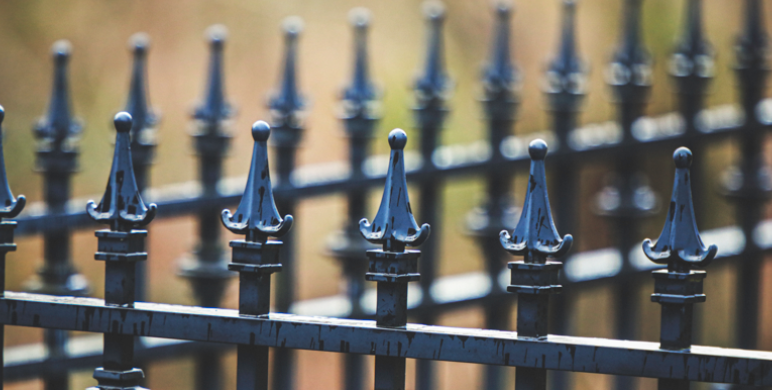
Some fences are built in a way that makes part-by-part repairs harder to pull off.
While wood, vinyl, and chain link fences have standard parts, other materials don’t work the same way.
Their parts can be harder to access, match, or replace without affecting more than just the damaged spot.
Wrought iron and steel parts
These fences use welded parts, rails, pickets, and decorative elements that don’t come apart easily.
If a picket or rail is bent or broken, replacing it usually means cutting and welding. That can loosen nearby welds or remove protective coatings, leading to rust.
Even replacing one post can be tricky since they’re often set deep in concrete and tied into other parts of the structure.
Composite fence panels and rails
Composite fences have thick, molded panels and rails designed to last, but they aren’t always easy to match or replace.
If a panel cracks or a rail warps, the exact size or color might no longer be available, especially if the brand has updated its product line.
Unlike wood, you can’t trim or stain composite parts to make them blend in.
Custom privacy fence boards and posts
These fences often use unusual board widths, custom post caps, or hand-mixed stains.
If a board splits or a post starts to rot, finding or fabricating a part that matches can take extra time and effort.
Even replacing a decorative trim piece can throw off the look if it’s not a perfect match.
When dealing with fences like these, swapping out one part can end up causing more trouble than it’s worth.
That’s why it helps to talk to a fencing company in Lafayette, Indiana, that knows the ins and outs of different materials. They can look at the damage, explain what’ll actually hold up over time, and help you decide whether a smart repair or a full replacement makes more sense for your fence.
Signs it’s time to replace your fence, not repair it
Sometimes, repairing a few spots just isn’t enough. If the damage keeps coming back or has spread to more than one area, it may be time to consider replacing the entire fence.
Watch for signs like multiple posts that are rotting, coming loose, or no longer holding their shape.
If the whole structure is leaning or looks warped, that’s another warning.
Boards that are splitting or showing signs of insect problems, like those in this guide on how to spot termite damage, often point to deeper structural issues.
If your fence is over 15 or 20 years old, and you’re seeing widespread rust on metal parts or general wear from age, chances are repairs won’t last much longer.
And when things start piling up (cracked boards, leaning sections, rusted fasteners), it’s usually a sign the whole fence is wearing out and getting close to the end of its run.
At that point, patching things up again and again gets tiring and more costly in the long run.
Replacing the fence gives you a fresh start. It looks better, holds up longer, and saves you from more headaches down the line.
It’s also a good chance to switch materials or change the style if you’ve been wanting something new.
If you’re ready to start fresh, working with a professional fence installation service can make sure the new setup is built to last and fits your yard’s layout from day one.
Replacing part of a fence can make it look new again
Sometimes, fixing just one section is all it takes to restore the strength and look of your fence.
Whether it’s a loose board, a cracked vinyl panel, or a torn piece of chain link, we can help you repair the damaged area without replacing the whole fence.
A good repair should blend in, hold up, and match the rest of your fence. That means using the right materials, paying attention to the details, and making sure the fix doesn’t stand out.
When you get in touch with fencing professionals for your repairs or replacement, you’ll get a team that’ll take a close look, walk you through the options, and handle the work so it fits right in.
When it’s done well, the repair does its job…and you can stop thinking about it.